
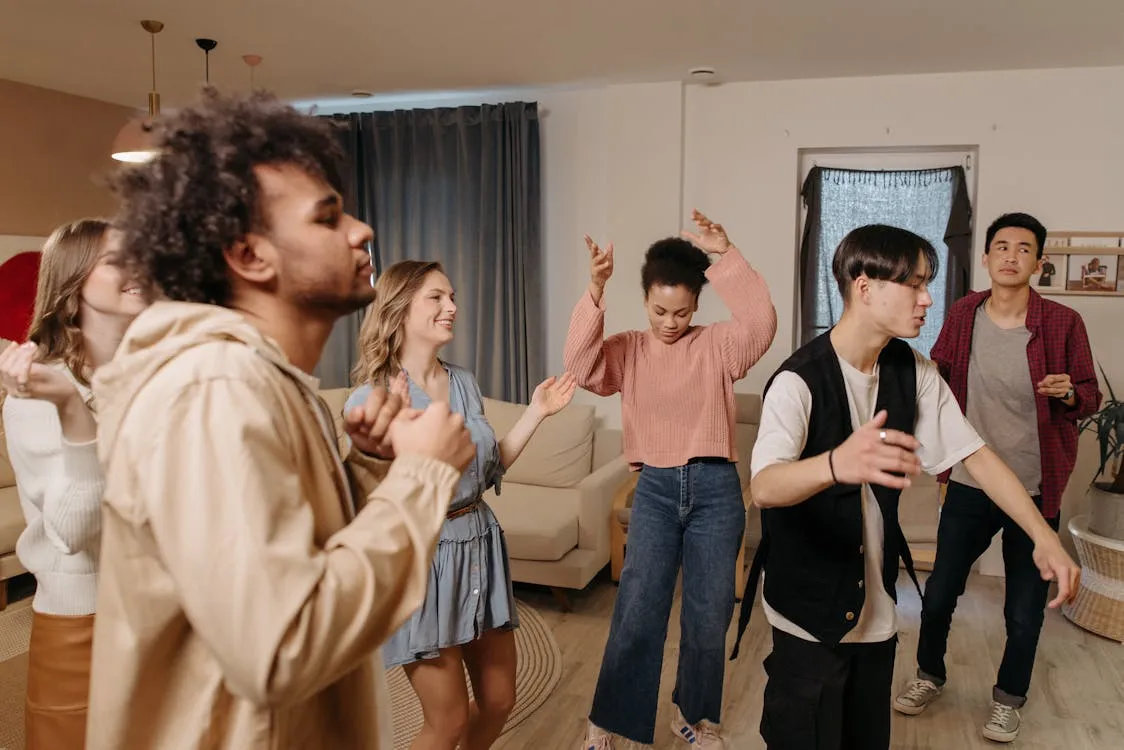
Hosting a memorable house party does not have to drain your wallet. A good party is about how people feel. Guests remember the music, the laughter, the snacks they kept going back for, and the small details that made the night easy to enjoy. They rarely remember how much anything cost.
With a clear plan, a small budget can still create a night that feels thoughtful, social, and worth repeating.
Set a Realistic Budget First
Many hosts start shopping without a number in mind. A few decorations, extra snacks, drinks, plates, and last-minute items can add up quickly.
Break your budget into simple categories: food, drinks, decor, and entertainment. Food and drinks need the largest portion, while decor and activities can often be handled with things you already own.
Once you have a limit, stick to it. A fun party should not leave you stressed the next morning because you overspent trying to impress people.
Choose One Strong Theme
A theme can make a budget party feel more planned.
Instead of buying random decorations, choose one clear concept and build around it. This keeps spending focused and prevents clutter. A retro snack night, cozy movie lounge, black-and-gold party, or DIY casino-style game night can all work well without costing much.
Casino-inspired themes are especially useful because the decor can be simple. Playing cards, dice, dark tablecloths, gold paper cups, red napkins, and warm lighting already create the mood.
Some hosts like to compare casinos before planning a themed night, mainly for ideas on colors, table layouts, and the polished feel of gaming lounges.
Make Food Simple but Generous
Food is where party budgets grow too fast.
You do not need a full dinner menu unless the event is specifically a dinner party. For most house parties, snacks and finger foods are enough.
Choose filling, affordable options that can be prepared in batches. Pasta salad, sliders, nachos, chips and dips, mini sandwiches, fries, popcorn, and simple dessert trays all work well. These foods are easy to serve and do not require expensive ingredients.
Presentation makes budget food feel better. Take snacks out of packaging and place them in bowls, trays, or boards. Add one fresh item, like fruit or vegetables, to make the table feel more balanced.
A neat snack table often looks more impressive than an expensive one.
Ask Guests to Bring Something
There is nothing wrong with making the party partly potluck-style.
Most guests are happy to bring drinks, snacks, dessert, or ice if you ask clearly. The key is being specific. Instead of saying, “Bring anything,” ask one person to bring chips, another to bring soda, and another to bring dessert.
This avoids having five bags of the same snack and no drinks.
A shared table also makes the party feel more communal. People enjoy seeing what others brought, and it creates easy conversation around the food.
Use What You Already Own
Before buying decor, look around your home.
Lamps, candles, blankets, trays, glassware, bowls, books, plants, and fabric can all become part of the setup. A scarf can work as a table runner. A stack of books can raise a snack tray. A lamp moved to the corner can make the room feel warmer.
Lighting is one of the cheapest ways to improve a party. Turn off harsh overhead lights and use lamps, fairy lights, or candles instead.
You do not need new decorations for every gathering. You need a room that feels clean, warm, and intentional.
Create DIY Entertainment
Entertainment does not need to be expensive.
Trivia, card games, music guessing games, karaoke, and charades can all work with little or no spending. The goal is to give guests something to do when conversation slows down.
DIY casino-style entertainment is especially cost-effective for adult house parties. A small table, deck of cards, printed score sheet, and homemade chips can create a fun game station. Poker, blackjack, or roulette-inspired games can keep guests engaged without needing paid entertainment.
Use tokens, sweets, or small prizes instead of real money. This keeps the activity light, friendly, and responsible.
Avoid Last-Minute Shopping
Last-minute spending is where budgets usually fall apart.
When you shop in a rush, you are more likely to buy extra items you do not need. Plan the menu, drinks, and activities at least a day ahead. Check what you already have before going to the store.
A simple checklist helps. Plates, napkins, ice, drinks, snacks, trash bags, and music should all be ready before guests arrive.
Good planning saves money and lowers stress.
Focus on the Feeling
A great house party does not need expensive decor, catered food, or a full bar.
It needs a comfortable space, enough snacks, good music, friendly activities, and a host who is not overwhelmed. When guests feel relaxed and included, the party already works.
Spend less on things people barely notice. Put more thought into flow, lighting, food access, and shared activities. Those details create the kind of night people remember without requiring a huge budget.
